In a nutshell
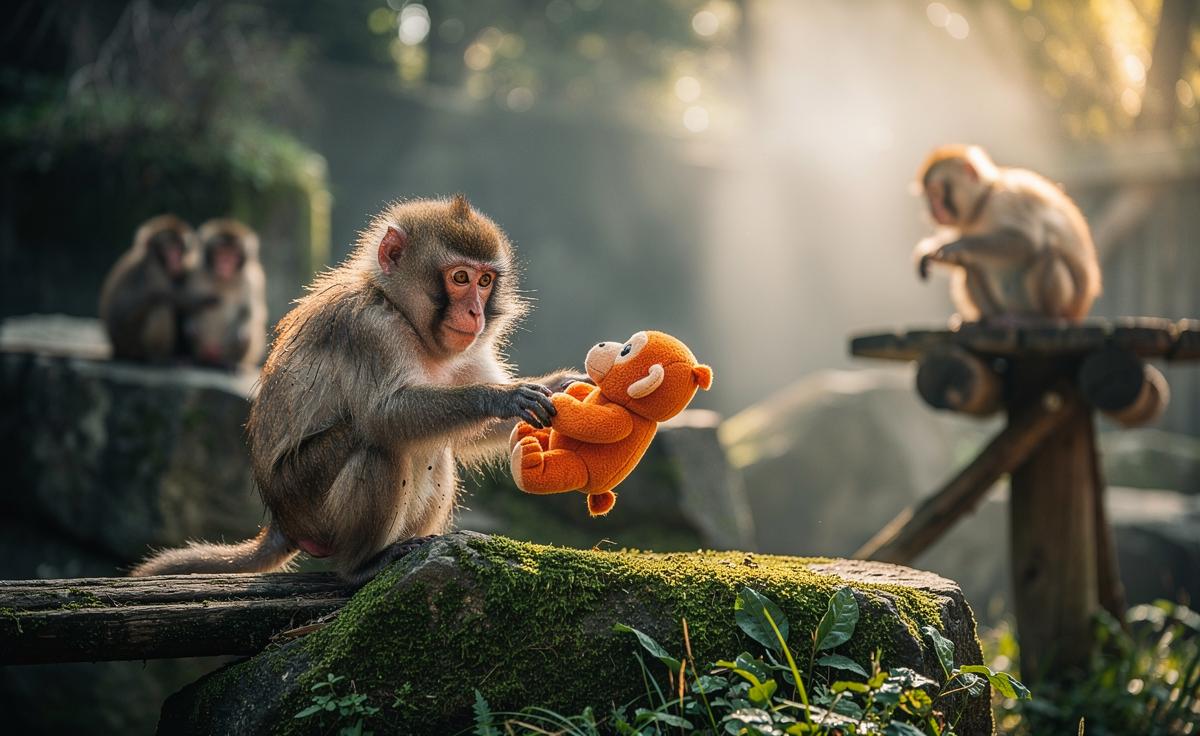
- 🐒 Punch, the Japanese macaque who went viral hugging a toy, is now letting go of his plush as he integrates into the troop at Ichikawa City Zoo.
- 📈 Keepers report clear progress: more play with peers and autonomous feeding; the aim, echoed by the Associated Press, is for Punch to be “just another macaque.”
- 🌡️ Backstory: a July 2025 heatwave in Tokyo led his mother to reject him; a plush was introduced to provide comfort without fostering human dependency, and bullying during reintroduction sparked the viral clip.
- 🎮 The saga inspired ZooFighter, a free browser mini‑game by former Fortnite developer Richie Branson, where players protect Punch; beat 100 enemies and he’s sent to sanctuary.
- 🧭 The real headline is evidence‑based care: reduced keeper proximity, enriched foraging, and peer play driving a quiet, durable recovery that shifts public focus from spectacle to welfare.
For weeks, a tiny Japanese macaque named Punch captured hearts worldwide after he was filmed clutching a plush orangutan to his chest for comfort. Now the story has shifted. Keepers at Ichikawa City Zoo, near Tokyo, say the youngster is steadily letting go of his soft toy. It’s a small gesture with big meaning. It signals resilience, confidence, and a growing ability to navigate life among his own kind. Visitors still gather, hoping to glimpse the viral cuddle, but they’re witnessing something better: the emergence of a healthy, social animal finding his footing in a complex troop.
From Viral Clip to Social Integration
The turning point is as quiet as it is profound. Staff report they now see Punch without his plush more often than with it, and the change is sticking. A keeper summed it up neatly: “This is exactly what we hoped for.” The goal was never celebrity; it was normality. To become just another macaque in the bustle of the enclosure is, in fact, success. That arc—from anxious dependency to exploratory play—tells a story about animal welfare that goes deeper than any trending video.
In the viewing areas, families still arrive primed by the clip that went global. Yet the real drama plays out in subtler cues: Punch grooming a peer, testing boundaries in a chase, breaking from keepers at mealtimes to forage on his own. These are the bricks of belonging. The zoo, as reported by the Associated Press, sees them stacking higher each day.
| Key Detail | Information |
|---|---|
| Name | Punch |
| Species | Japanese macaque (snow monkey) |
| Location | Ichikawa City Zoo, near Tokyo, Japan |
| Viral Moment | February 2026 clip of Punch hugging a plush toy |
| Current Status | Increasingly independent; socialising more; toy mostly set aside |
A Fraught Start in Stifling Heat
To understand the public’s empathy, rewind to July 2025. Tokyo was sweltering under a harsh heatwave. In the macaque enclosure, environmental stress tipped into crisis. Punch’s mother, drained by the conditions, rejected her infant to conserve precious energy. What followed was a pragmatic intervention: a keeper stepped in, offering care and a soft orangutan plush as a surrogate presence. The intention was careful—comfort without cementing a human bond that might later impede his return to the troop.
Reintroduction, though, was bumpy. Social hierarchies in macaque groups are intricate, occasionally unforgiving. Punch was sidelined, sometimes harried by bigger males. One confrontation, captured on a widely shared post, sent him sprinting for cover and back into the familiar crook of his plush toy. Those seconds of trembling refuge made the world pause. The clip flew across platforms, a distilled image of fear and tenderness that millions recognised instantly.
Yet even then, keepers held the course: minimise human imprint, maximise opportunities to mimic and practice macaque behaviour. The plush remained a tool, not a destination. It bridged an emotional gap on a hard day and kept panic from snowballing into long-term isolation.
Care Strategies and What Comes Next
Behind the scenes, the zoo’s team tightened its focus on species-typical routines. Feeding sessions shifted subtly to encourage autonomy—more scattered forage, less hand proximity. Keeper presence stepped back by minutes and then metres. Play opportunities multiplied. A few juveniles, curious and cheeky, provided the social scaffolding Punch needed. Progress seldom arrives in a straight line, but it arrives. Now he initiates games, tolerates jostling, and models the everyday rhythms that define a stable troop member.
Crucially, mealtimes became a litmus test. Where Punch once sought humans for reassurance, he now eats independently, eyes scanning peers instead of carers. The plush, once clutched tight, lies ignored for long stretches—a signal less theatrical than the viral hug, but far more consequential. As relayed by the Associated Press, staff stress that the endgame is simple: Punch should be indistinguishable within the group.
Visitors still hope for the famous embrace. Most leave with something richer: a glimpse of adaptation in real time. In a world hooked on spectacle, this is a quiet victory for evidence-based care, routine, and patience. The headline moment was a cuddle; the legacy is integration.
A Pixelated Afterlife: The ZooFighter Phenomenon
The saga didn’t stop at the enclosure fence. The internet minted a tribute: ZooFighter, a free browser mini-game designed with input from former Fortnite developer Richie Branson. Players assume the role of Punch, fending off incoming primates. It’s arcade-simple, oddly cathartic, and thoroughly of its time—a meme translated into mechanics. Clear a wave of 100, and the macaque is whisked to a safe sanctuary, a neat ludic echo of public hopes for his welfare.
Beyond button-mashing, the creator’s “Learn More” note lands a gentler blow: the project is framed as a love letter to animals in captivity. It’s art as empathy engine. Whether you adore or side-eye gamified compassion, the effect is undeniable. Punch’s story, born in heat and anxiety, has become a rallying point, inspiring donations, discussions about enrichment, and a broader reckoning with how we watch—and help—wild minds in human-made worlds.
Punch is no longer the frightened infant pressed into a plush horizon. He is a young Japanese macaque edging into social normalcy, a small mammal with a large audience and, at last, a life that can shrink back to scale. The best outcome is the least dramatic one: stability. As the toy gathers dust and the troop closes ranks, the viral clip recedes, replaced by routine. What responsibility do we, as spectators, carry now—to turn fleeting sympathy into long-term support for animal welfare, habitat resilience, and climate readiness?
Did you like it?4.5/5 (29)