In a nutshell
- 🐶 A recent veterinary study links routine dental cleanings to a 35% reduction in canine periodontal disease, underscoring that prevention beats treatment across breeds and ages.
- 🦷 Professional cleanings matter: subgingival scaling, polish, and radiographs under anaesthesia tackle disease at its source, while “natural” chews and wipes can’t reach below the gumline—and may risk fractures; UK costs often run £300–£800.
- 📅 A practical at-home checklist: daily brushing with enzymatic paste and VOHC chews; rinses 2–3x weekly; weekly gum checks; monthly photos to track change—because consistency trumps intensity.
- 🚩 Watch early warning signs: persistent bad breath, red or bleeding gums, dropping food, visible calculus, facial swelling—two or more red flags mean bring the vet visit forward.
- 🔗 The winning formula is clinic + home care: regular professional dentistry resets oral health, while small, repeatable habits maintain it—reducing pain, costs, and long-term complications.
New data putting hard numbers on dogs’ dental health is welcome news for owners: a recent veterinary study reported that routine professional dental cleanings were linked to a 35% reduction in periodontal disease across common breeds. For UK households balancing cost, convenience, and compassion, the message is simple yet powerful: prevention beats treatment every time. Below, I unpack what the findings actually mean, why clinic-grade dentistry matters, and how to embed a realistic at-home checklist into busy routines. With small, repeatable actions—plus timely vet check-ups—you can keep plaque from hardening into the calculus that drives gum recession, tooth loss, and systemic inflammation. The goal isn’t perfection; it’s consistency, measured in minutes per week and years of healthier smiles.
What the Study Really Shows
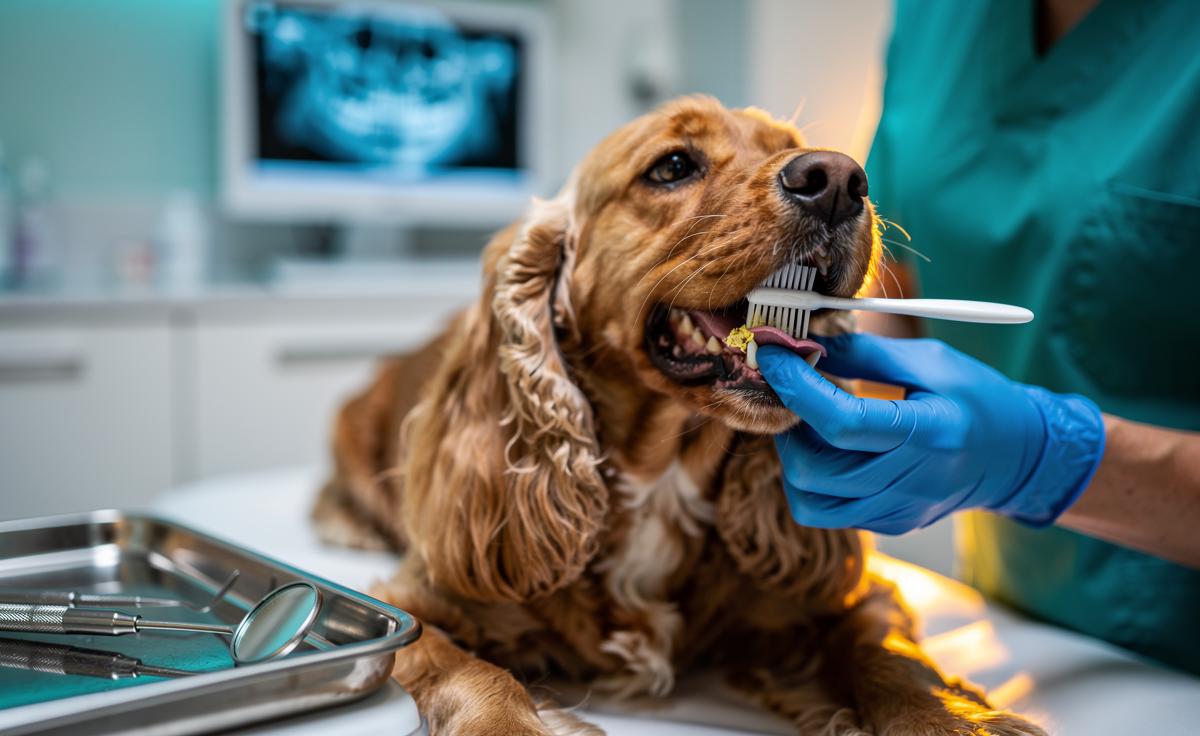
The topline figure—35%—deserves context. The reduction in periodontal disease was observed among dogs receiving regular, vet-delivered cleaning and assessment compared with those without scheduled dental care. That’s not a magic shield, but it is a statistically meaningful drop in risk that holds across age groups, with extra relevance for toy breeds and seniors. Crucially, “cleaning” in clinical settings is not a quick buff. It involves subgingival scaling, polish, and a full-mouth exam; where indicated, vets add dental radiography to find hidden pockets of infection that simple visual checks miss. Owners in the non-cleaning cohort were more likely to report halitosis, gum inflammation, and food avoidance—classic signposts of disease progression.
Why does this gap emerge? Plaque matures quickly; within days it mineralises into calculus along the gumline. Professional instruments can safely reach below the gum where bacteria colonise, something pet chews and surface wipes can’t replicate. The evidence tells us that clinic care plus home care is multiplicative, not redundant. That’s why the most effective plans combine a yearly vet clean with simple, reliable habits at home.
Why Professional Cleanings Matter (and Why ‘Natural’ Isn’t Always Better)
Clinic dentistry isn’t only about white teeth—it’s about gum health, pain control, and infection prevention. Under general anaesthesia, a veterinary team can scale beneath the gumline, reduce bacterial load, and probe for pockets you simply can’t access with over-the-counter tools. Only professional care can treat established periodontal disease at its source. By contrast, “natural” approaches—bones, antlers, or herbal rinses—may feel gentle, but they carry trade-offs that owners often don’t see coming until a molar fractures or an abscess forms.
- Pros of professional cleaning: comprehensive exam, subgingival scaling, tailored pain control, potential radiographs, documented baseline for change.
- Cons: anaesthesia risks (low but real), cost (UK clinics commonly quote £300–£800, varying with x-rays and extractions), a recovery window.
- Why “natural” isn’t always better: hard chews can crack teeth; essential oils may irritate mucosa; surface wipes don’t reach below the gumline; charcoal powders are abrasive.
As a practical UK snapshot: a spaniel I followed, Baxter, arrived with foul breath and a “picky eater” label. One anaesthesia-based clean uncovered retained roots causing pain. Post-procedure—and with simple home habits—his appetite and energy rebounded within a week.
At-Home Checklist: Daily, Weekly, Monthly
Think of home care as the bridge between vet visits. The aim is to disrupt plaque early and often, using products with proven mechanisms rather than promises. Consistency beats intensity. Here’s a realistic cadence:
- Daily: Brush with dog-safe enzymatic toothpaste (pea-sized). If brushing is new, start with finger wipes for 7–10 days, then transition to a soft-bristled brush.
- Daily: Offer a VOHC-recognised dental chew sized to your dog; monitor chewing to avoid gulping.
- Daily: Quick “sniff and scan”—breath, gum colour, and interest in food.
- 2–3 times per week: Dental rinse or gel formulated for pets; lift the lip and apply along the gumline; reward calm behaviour.
- Weekly: Inspect for tartar at the upper canines and molars; note any red margins or bleeding on contact.
- Monthly: Record a smartphone photo of the gumline from the same angle to detect change over time; review with your vet if redness or swelling escalates.
Training tip: pair every session with a high-value treat. Many dogs accept brushing in under two weeks with gradual desensitisation. For brachycephalic and toy breeds, be extra diligent—crowded teeth harbour plaque faster.
Early Warning Signs and When to Call Your Vet
Spotting issues early spares pain and expense. Use this table to translate everyday clues into actions. If you notice two or more red flags below, bring your appointment forward.
| Sign | What It Suggests | Next Step |
|---|---|---|
| Persistent bad breath | Bacterial overgrowth; early gum inflammation | Book a dental check; intensify home care |
| Red or bleeding gums | Gingivitis; possible progression to periodontitis | Vet exam; avoid hard chews; switch to soft brushing |
| Pawing at mouth / dropping food | Pain, cracked tooth, or oral ulcer | Urgent vet visit; analgesia may be needed |
| Brown calculus at gumline | Mature plaque mineralisation | Schedule professional scaling; reset home routine |
| Facial swelling or nasal discharge | Advanced infection or root issue | Immediate veterinary assessment; possible imaging |
One practical rule: if brushing suddenly becomes a battle in a dog who previously tolerated it, treat that as a pain signal, not “stubbornness.” Combine your logbook photos with symptoms to give your vet a clear, time-stamped history—vital for decisions on radiographs or extractions.
Put together, the study’s 35% reduction frames a hopeful truth: with regular professional care and a steady home routine, most dogs can dodge the painful, expensive spiral of periodontal disease. The earlier you build habits, the less heroic the fixes need to be. Start tonight with two minutes of lip lifts and a gentle wipe, book that check-up you’ve been delaying, and pick one new tool you’ll actually use. As you refine the routine over the next month, what small change feels most achievable for your dog—and what result would convince you it’s working?
Did you like it?4.5/5 (22)