In a nutshell
- 🌙 Evening light suppresses melatonin via the eye–brain clock (SCN and melanopsin), delaying sleep and blunting morning alertness, which can dampen mood.
- 💡 Brighter isn’t always better after dusk: cool‑white LEDs and overhead glare boost arousal; targeted, lower‑glare lamps at 2700K help you unwind.
- 🧰 Practical fixes: dim to <30 lux in living areas and <10 lux in bedrooms; use timers, amber nightlights, screen night modes, and warm bias lighting.
- 📊 Research signals: artificial light at night (ALAN) correlates with depressive symptoms and shorter sleep; bright light is therapeutic in the morning (e.g., for SAD) but disruptive late at night.
- 🏠 Real‑world proof: a London couple swapped a cool‑white hallway light for a warm, timed lamp and task lighting—resulting in faster sleep, softer Sunday blues, and lower energy use.
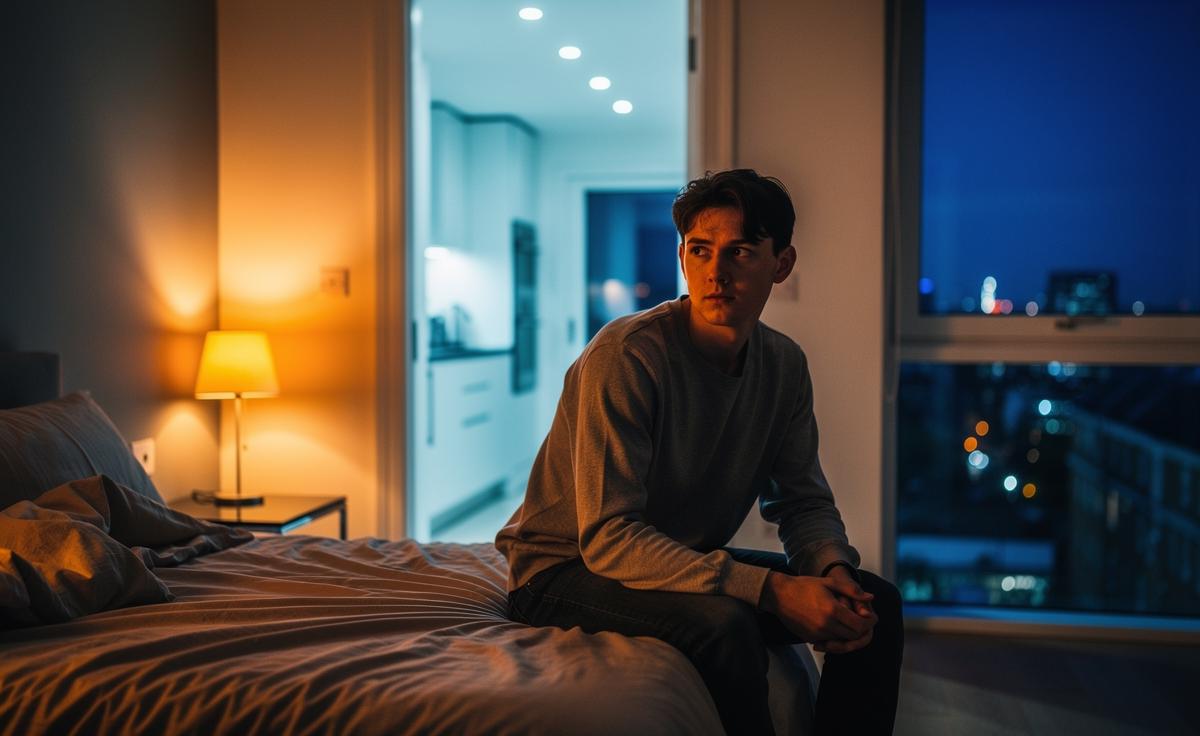
It seems harmless: you leave the hallway light glowing or the kitchen LEDs blazing while you wind down. Yet that innocuous habit may be tugging at the threads of your mood, sleep, and productivity in ways you don’t expect. As our homes get brighter and our screens more luminous, evening exposure to artificial light is quietly reshaping the body’s natural timing. What feels like comfort lighting can, for some, be a subtle stressor—nudging bedtime later, blunting melatonin, and sowing next‑day irritability. Here’s why leaving lights on may be affecting your mood more than you think, and how small tweaks can bring your evenings back into rhythm.
How Evening Light Rewires Your Body Clock
Your brain’s master clock, the suprachiasmatic nucleus (SCN), keeps time by reading signals from your eyes—especially the blue‑sensitive melanopsin cells that respond to bright, cool light. After dusk, strong or blue‑enriched light suppresses melatonin, a hormone that cues rest. Even modest household brightness at the wrong time can shift your internal clock, delaying sleep and blunting morning alertness. Cool‑white LEDs, overhead spots, and big‑screen TVs pack enough short‑wavelength light to matter, particularly in the 60–90 minutes before bed. Intensity, colour temperature, and timing work together: brighter, cooler, and later equals a stronger impact on mood and sleep quality.
Think in layers: a warm table lamp at chest height typically hits your eyes less than a ceiling panel. Distance matters too; a bright downlight directly above can be more stimulating than a softer light placed to the side. When you consistently leave lights on, you’re training your biology to expect “daytime” late into the evening. That can show up as restlessness at night, low mood in the morning, and a subtle fog that coffee never quite clears.
| Light Type | Typical Colour Temp | Common Sources | Likely Effect After Dusk |
|---|---|---|---|
| Cool‑white LED | 4000–6500K | Ceiling panels, task spots | Stronger melatonin suppression; alerting, mood‑disruptive if late |
| Warm‑white LED | 2200–3000K | Table/floor lamps | Softer on circadian rhythm; better for winding down |
| Amber/red nightlight | <2200K | Bedside, nursery lights | Minimal circadian impact; calm ambience |
| Screens | Varies; blue‑enriched | Phones, TVs, tablets | Alerting; can delay sleep and dampen next‑day mood |
Why Brighter Isn’t Always Better After Dusk
There are honest upsides to bright evening light—safety on stairs, clear reading, and a crisp kitchen clean‑down. But what helps you power through chores can clash with what helps you power down. Too much brightness at night keeps your nervous system in “go” mode, raising cognitive arousal just when emotional processing and recovery should take the lead. Over time, that mismatch can leave you flatter in mood and pricklier under pressure, even if you’re technically in bed for long enough.
Consider a small London flat I visited for this piece: the couple left a cool‑white hallway light on “for cosiness” until midnight. They reported late‑night scrolling and groggy mornings. Swapping to a dim, 2700K lamp on a timer and moving task lights to under‑cabinet strips changed the feel of the home—sleep came faster, and the Sunday blues softened. The lesson is simple: targeted, lower‑glare light beats blanket brightness when calm is the goal.
Practical, Low‑Cost Fixes You Can Try Tonight
Start by trimming intensity and shifting spectrum. Aim for <30 lux in living spaces after 9 p.m. and <10 lux in bedrooms; choose warm bulbs labelled 2700K or below. Use lamps at or below eye level, not overhead glare. Put bright task lights on plugs or smart buttons so they’re on only when needed. For screens, enable “night mode” and reduce brightness; a simple TV bias light in warm amber can ease eyes without flooding the room.
Next, control timing. A plug‑in timer or smart routine can dim or switch off the “always on” offenders automatically. Keep a small amber nightlight for loo trips and turn off the landing light. If you rent, lean on portable solutions: clip‑on shades, adhesive dimming film, and battery‑powered motion lights. Small, consistent cues—softer, warmer, earlier—teach your brain that evening is for unwinding, not for one more task.
What The Research Suggests About Mood And ALAN
Studies across Europe and East Asia have linked artificial light at night (ALAN) with higher rates of depressive symptoms, shorter sleep, and delayed bedtimes, even after accounting for urban noise. Laboratory work shows evening light markedly suppresses melatonin and elevates alertness; shift‑work research echoes similar mood strains. None of this proves that light alone causes low mood, but the pattern is consistent: brighter, bluer, later light tends to nudge mood in the wrong direction. There’s nuance: morning bright light is therapeutic for seasonal affective disorder, yet the same intensity late at night can be destabilising.
Think of light as a drug with a dose, timing, and colour. The right dose in the morning lifts energy; the wrong dose at 10 p.m. may fray patience and resilience. Watch for tell‑tales: you feel wired at bedtime, your mood dips on grey mornings, and you rely on caffeine to feel “normal.” If that resonates, prioritising darker, warmer evenings for two weeks is a low‑risk test with potentially high gains.
The glow we invite into our homes doesn’t just reveal our rooms; it scripts our evenings and colours our mood. By swapping “always on” brightness for targeted, warmer, earlier light, you tilt the biology of rest back in your favour. In a cost‑of‑living era, that’s a win for both energy bills and emotional bandwidth. Your lights can be tools for calm rather than triggers for restlessness. What shift will you try first tonight—dimmer lamps, warmer bulbs, or a simple curfew that lets your brain remember what nighttime is for?
Did you like it?4.5/5 (20)